Exploring the Visual Potential of Desert Mountain Land in Isometric Game Design
Understanding the Appeal of Isometric Perspectives in Game Development
The isometric visual style has become a staple in modern game development, particularly for indie titles and mobile games. This pseudo-3D approach offers a balanced blend of depth perception and simplicity, making it ideal for both 2D and 3D environments. When applied to a setting like Desert Mountain Land, the isometric view allows for intricate terrain modeling, layered elevation, and a cohesive visual narrative that enhances player immersion. Developers and designers often rely on isometric projections to create a sense of scale and realism without the computational demands of full 3D rendering.
Designing with Desert Mountain Land: A Unique Isometric Game Asset
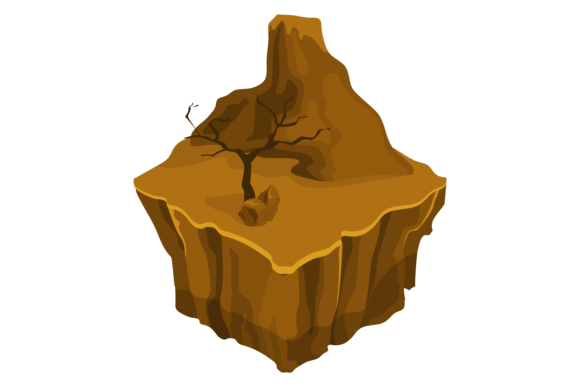
Desert Mountain Land. Isometric Game Fly is more than just a descriptive title—it represents a specific type of game asset tailored for developers working in isometric perspectives. This asset typically features a stylized desert landscape with elevated mountainous regions, rendered in a way that supports seamless integration into game maps. Whether used as a base terrain or layered with additional elements like vegetation, ruins, or pathways, this type of asset provides a strong foundation for building engaging environments.
Key Features of Desert Mountain Land Assets
- Multi-layered terrain: Combines flat desert plains with elevated rock formations and canyons.
- Consistent isometric projection: Ensures compatibility with other isometric assets and tile sets.
- Versatile file formats: Available in EPS, JPG, transparent PNG, and other formats suitable for both vector and raster-based workflows.
- Customizable color schemes: Often designed with a warm, arid palette that can be adjusted for different lighting or weather conditions.
Practical Applications Across Game Genres
Desert Mountain Land. Isometric Game Fly finds its place in a wide array of game genres, from strategy and simulation to adventure and role-playing games. Its visual appeal and modular design make it a versatile choice for developers aiming to create expansive, navigable worlds without overwhelming system resources. Below are some examples of how this asset can be applied:
- Strategy Games: The elevation changes in Desert Mountain Land provide natural choke points, defensive positions, and resource clusters ideal for tactical gameplay.
- Adventure Titles: The terrain’s layered structure supports vertical exploration, hidden paths, and environmental storytelling.
- Simulation and Management: The flat desert areas are perfect for constructing bases, outposts, or trade routes, while the mountains can serve as natural barriers or scenic backdrops.
- Multiplayer Maps: The isometric format ensures balanced visibility for all players, making it ideal for competitive or cooperative play.
Advantages of Using Pre-made Isometric Assets
For developers, especially those working independently or in small teams, using pre-rendered assets like Desert Mountain Land. Isometric Game Fly can significantly reduce production time. These assets are often optimized for performance, tested for compatibility with popular game engines, and designed to scale across different resolutions and aspect ratios. Additionally, their modular nature allows for easy recombination, enabling developers to create diverse environments without starting from scratch each time.
Integration and Customization in Game Engines
Whether you're using Unity, Unreal Engine, or a 2D engine like Godot or Construct, integrating Desert Mountain Land. Isometric Game Fly is straightforward. Most assets come with clear documentation and layering instructions, allowing developers to blend them with other terrain types, foliage, and structures. Transparent PNG files are especially useful for overlaying elements without visible seams, while EPS files provide scalability for vector-based editing or print use.
Considerations for Smooth Integration
- Grid alignment: Ensure the asset aligns with your game’s isometric grid system to avoid visual inconsistencies.
- Lighting and shading: Match the asset’s lighting direction with other elements in your scene for a cohesive look.
- Tileset compatibility: Check that the asset can be combined with other tiles or props without texture mismatches.
- Performance impact: Test the asset’s draw calls and memory usage, especially in large open-world settings.
Real-World Examples and Inspirations
Several popular games have successfully utilized isometric desert landscapes to create memorable worlds. Titles like Red Planet, Desert Runner, and Outpost: Infinity Siege have leveraged isometric terrain to craft immersive, tactical experiences. In each of these cases, the use of layered elevation, distinct terrain types, and consistent visual language has contributed to a strong sense of place and gameplay depth. Desert Mountain Land. Isometric Game Fly can serve as a foundational element in similar projects, offering a starting point for world-building that can be expanded with additional props, dynamic weather effects, and interactive elements.
How Educators and Hobbyists Benefit from Isometric Assets
Beyond professional game development, isometric assets like Desert Mountain Land. Isometric Game Fly are valuable tools for educators and hobbyists. In educational settings, they can be used to teach perspective drawing, tile-based design, and basic game development principles. For hobbyists and indie creators, these assets lower the barrier to entry, allowing them to focus on gameplay mechanics and narrative rather than spending excessive time on asset creation. Many game development communities and marketplaces offer tutorials and templates that incorporate such assets, making them accessible even to beginners.
Future Trends in Isometric Game Design
As game development tools become more accessible and the demand for stylized, performance-efficient visuals grows, isometric design is likely to remain a popular choice. Advances in procedural generation, dynamic lighting, and hybrid 2D/3D rendering are expanding what’s possible within the isometric framework. Desert Mountain Land. Isometric Game Fly represents a current standard in this evolving landscape, but future iterations may include animated elements, interactive terrain features, or AI-assisted terrain blending. Staying updated with these trends ensures that developers can continue to leverage isometric assets effectively while pushing creative boundaries.
Choosing the Right Asset for Your Project
When selecting an asset like Desert Mountain Land. Isometric Game Fly, it’s important to evaluate its suitability based on your project’s scope, artistic direction, and technical requirements. Consider the following questions:
- Does the asset support the gameplay mechanics you’re aiming for?
- Are the file formats compatible with your development pipeline?
- Can the asset be easily customized or extended with additional elements?
- Is the asset optimized for the platforms you’re targeting (mobile, PC, console)?
By answering these questions early in the development process, teams can avoid costly revisions and ensure a smoother workflow from design to deployment.
Conclusion
Desert Mountain Land. Isometric Game Fly exemplifies how thoughtfully designed assets can enhance both the visual and functional aspects of game development. Whether used in a sprawling open world or a tightly designed level, this type of asset provides a solid foundation for creating engaging, immersive environments. As isometric design continues to evolve, developers who embrace these tools will find themselves well-equipped to build the next generation of compelling games.