Game Platform Cartoon Desert Landscape: A Practical Guide for Creative Integration
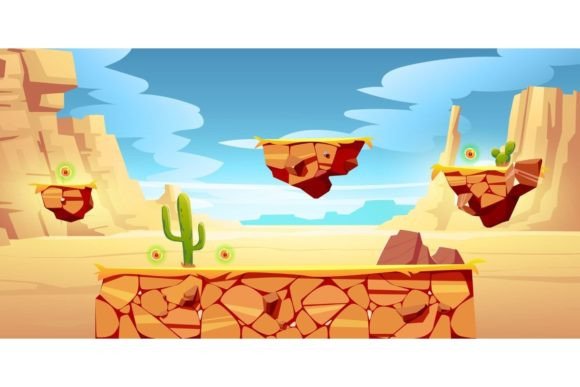
For developers, designers, and digital creators, visual assets like the Game Platform Cartoon Desert Landscape serve as foundational elements in building engaging 2D environments. This particular asset offers a stylized desert setting featuring canyons, green cacti, and rocky formations, complemented by an arcade-style background with interactive elements. It's ideal for mobile and desktop game development, UI design, and interactive storytelling projects. Whether you're prototyping a new game or refining a mobile app's visual appeal, understanding how to effectively incorporate this type of asset can streamline your creative workflow and enhance user experience.
Understanding the Components
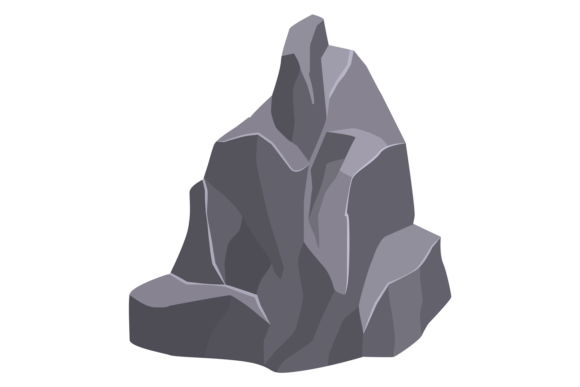
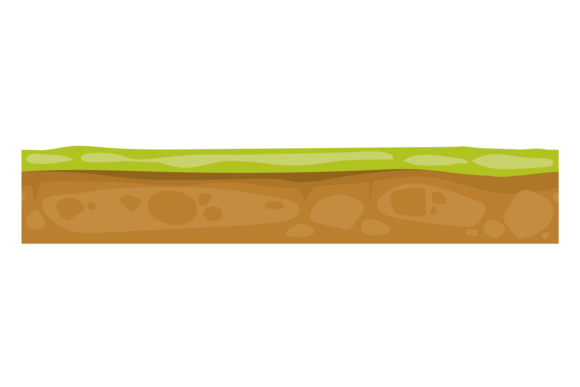
The Game Platform Cartoon Desert Landscape includes a vector EPS file and a high-quality JPG image. These formats ensure flexibility and scalability, allowing the design to be used across multiple platforms and resolutions. The vector file is especially useful for UI designers who need to customize individual elements, such as cacti, rocks, or canyon structures, without losing clarity. The JPG file provides a ready-to-use background that can be integrated directly into game engines or graphic design software.
Designed with a playful, yet cohesive aesthetic, this landscape supports a variety of use cases—from side-scrolling platformers to educational apps that require a visually engaging backdrop. The inclusion of arcade-style bonus items and nature-themed locations allows for interactive elements that can be layered into gameplay mechanics or UI navigation.
How to Use Game Platform Cartoon Desert Landscape in Your Workflow
Integrating this asset into your project can happen at multiple stages of development. Early on, during the concept and prototyping phase, it can serve as a reference for environment design and help define the game's visual tone. During active development, the vector file can be imported into tools like Adobe Illustrator or Figma to extract and modify individual components for character interaction, level design, or animated sequences.
For mobile developers, the JPG file can be used directly in game engines like Unity or Godot to set background scenes. Because the design is cartoon-styled and not overly detailed, it aligns well with lightweight game builds and ensures performance remains smooth on lower-end devices. This makes it a practical choice for indie developers or small studios prioritizing efficiency without sacrificing visual appeal.
Preparation and Compatibility
Before implementing the Game Platform Cartoon Desert Landscape, ensure your development environment supports the file formats included. Most modern game engines accept JPG images without issue, but if you plan to customize the vector elements, you'll need software that supports EPS files, such as Adobe Illustrator, Inkscape, or Affinity Designer.
Consider the resolution and aspect ratio of your target platform. For mobile apps, especially those designed for portrait orientation, you may need to crop or reframe the landscape to fit screen dimensions. For desktop applications or landscape-oriented games, the full image can be used with minimal adjustments.
Usability and Consistency
One of the key benefits of this asset is its visual consistency. The cartoon desert theme maintains a cohesive color palette and style, which helps in preserving the aesthetic throughout the game or app. When layering UI elements—such as buttons, score counters, or progress indicators—ensure they align with the same visual language to avoid jarring transitions.
If you're using the landscape as part of a larger level design, consider how the terrain features (like canyons and cacti) interact with character movement or game mechanics. For example, a canyon can serve as a natural boundary or hazard, while bonus items placed near green cacti can create engaging gameplay opportunities.
Workflow Integration and Practical Examples
Let’s walk through a practical example: You're designing a mobile platformer game and want to create a desert-themed level. You begin by importing the JPG file into your game engine as the background. Then, using the EPS file, you extract individual rocks and cacti to place as obstacles or collectible points. You animate the bonus items (perhaps floating coins or power-ups) using the arcade-style graphics embedded in the landscape.
In this scenario, the Game Platform Cartoon Desert Landscape isn't just a static image—it becomes a toolkit for building interactive environments. You can also use it in conjunction with sound effects, character animations, and UI overlays to create a fully immersive level.
For educators or content creators, this asset can be used in digital storytelling or gamified learning modules. The cartoon aesthetic makes it approachable for younger audiences, while the desert setting offers a unique backdrop for adventure or survival-themed narratives.
Efficiency and Quality Control
Using pre-designed assets like the Game Platform Cartoon Desert Landscape can significantly reduce development time. Instead of creating every background from scratch, you can focus on refining gameplay mechanics, optimizing performance, or enhancing user interaction. However, it's important to maintain quality control—especially when scaling or modifying vector elements.
Always test the asset across different devices and screen sizes to ensure clarity and responsiveness. If you're modifying the EPS file, keep a backup of the original so you can revisit or repurpose it in future projects. Maintaining a consistent file naming system and folder structure will also help with long-term organization, especially when working with multiple assets.
Long-Term Use and Scalability
As your project evolves, the flexibility of the Game Platform Cartoon Desert Landscape allows for continued use across different versions or expansions. If you're planning a series of levels or a sequel, the existing landscape can be adapted with new elements—such as additional bonus items, weather effects, or terrain variations—while maintaining a consistent visual identity.
For freelancers and small business owners, this type of asset is also valuable for portfolio building. Including a well-integrated environment like this in a demo reel or case study demonstrates your ability to work with pre-designed elements while still delivering a polished and professional result.
Conclusion: Seamless Integration into Real Projects
The Game Platform Cartoon Desert Landscape is more than just a visual asset—it's a practical tool that supports efficient design, development, and deployment. Whether you're a solo developer, part of a creative team, or an educator integrating interactive content into your curriculum, this asset can be a versatile and time-saving component of your workflow.
By understanding how to prepare, customize, and integrate this landscape into your project, you position yourself to deliver high-quality results without unnecessary overhead. It aligns well with modern development practices that emphasize modularity, reusability, and visual consistency—making it a smart addition to any creative or technical toolkit.