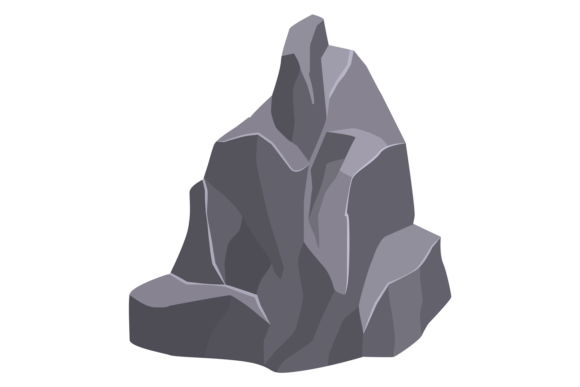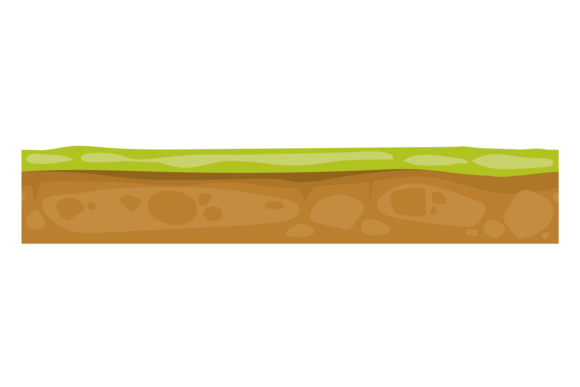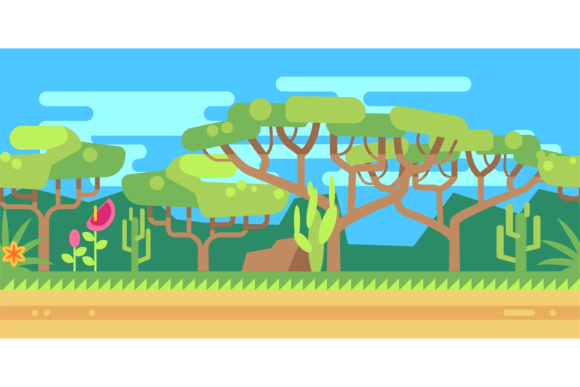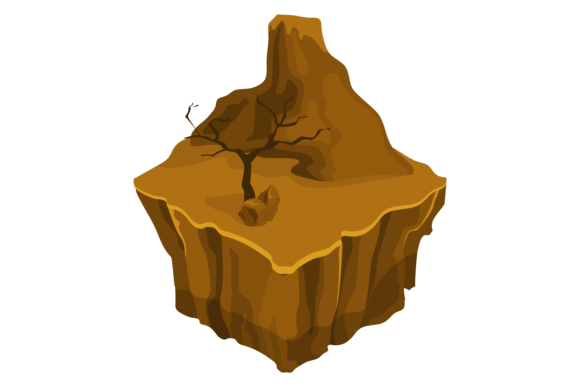
Cartoon Stone. Rock Boulder. Game Landsc: Choosing the Right Visual Elements for Game Design
When designing a game environment, every detail matters. From terrain texture to character interaction, the visual components you select shape the player’s experience. One such element gaining popularity among game developers and digital artists is Cartoon Stone. Rock Boulder. Game Landsc. These stylized landscape assets are widely used in 2D and 3D game development for their playful aesthetic and adaptability. But choosing the right version—whether EPS, JPG, SVG, or transparent PNG—can make or break the visual coherence and performance of your game.
Understanding Cartoon Stone. Rock Boulder. Game Landsc
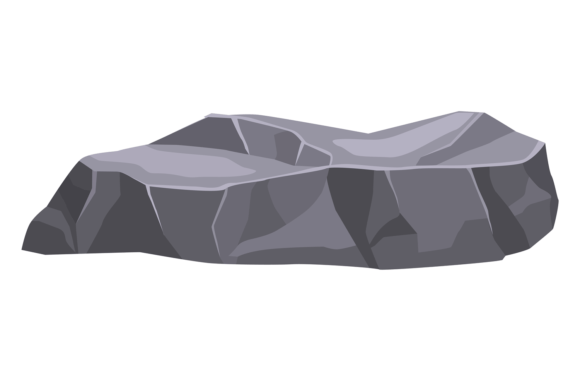
Cartoon Stone. Rock Boulder. Game Landsc refers to a set of stylized rock and boulder graphics designed for use in game environments. These assets are typically isolated on white backgrounds, making them easy to integrate into various digital scenes. They come in multiple file formats, each serving different purposes:
- EPS – Best for scalable vector graphics, ideal for logo work or illustrations that need resizing without quality loss.
- JPG – Commonly used for raster images, but may lack transparency support.
- SVG – Perfect for responsive web-based games due to its scalability and small file size.
- Transparent PNG – Offers high quality with alpha channels, allowing seamless integration into layered designs.
Common Mistakes When Choosing Game Landscape Elements
Many developers and designers, especially beginners, overlook key details when selecting assets like Cartoon Stone. Rock Boulder. Game Landsc. Here are some of the most common mistakes and how to avoid them:
1. Ignoring File Format Requirements
One of the biggest oversights is downloading a file type that doesn’t match the intended use. For example, using a JPG for a game scene that requires transparent edges will result in a visible background box around the boulder. This breaks immersion and looks unprofessional.
Better approach: Always check the technical needs of your game engine or design software. If you need transparency, go for a transparent PNG or SVG. If scalability is crucial, choose SVG or EPS.
2. Overlooking Resolution and Scaling
Another frequent issue is assuming that all image formats scale equally. Raster formats like JPG can become pixelated when enlarged, while vector formats like EPS or SVG maintain clarity at any size.
Better approach: Use vector formats for assets that need to be resized frequently. If you're working with raster images, ensure they are high resolution (at least 300 DPI) to avoid quality loss.
3. Misjudging Licensing and Usage Rights
Many game developers source assets from online marketplaces or free repositories. However, not all Cartoon Stone. Rock Boulder. Game Landsc assets come with the same usage rights. Some may restrict commercial use or require attribution.
Better approach: Always read the license agreement before downloading. For commercial games, opt for assets with clear commercial licenses or consider purchasing premium versions to avoid legal issues later.
4. Failing to Match Art Style
Game environments need visual consistency. A cartoon-style boulder might clash with a hyper-realistic terrain, disrupting the player’s immersion. This mismatch is especially common when mixing assets from different sources.
Better approach: Choose landscape elements that align with your overall art direction. If you're using a cartoon aesthetic, ensure all landscape assets—like Cartoon Stone. Rock Boulder. Game Landsc—share the same style, color palette, and texture level.
What to Check Before Downloading or Using Cartoon Stone. Rock Boulder. Game Landsc
Before incorporating any landscape asset into your project, verify the following:
- File format compatibility – Does your game engine or design software support it?
- Resolution and scalability – Will the asset look good at different sizes?
- Transparency support – Do you need a transparent background for layering?
- License type – Can you use it commercially? Do you need to credit the creator?
- Artistic consistency – Does it match the overall visual style of your game?
Improving Workflow with the Right Asset Choices
Using the right version of Cartoon Stone. Rock Boulder. Game Landsc can streamline your workflow and enhance the final product. For example, SVG files are lightweight and easy to edit in vector software like Adobe Illustrator or Inkscape, making them ideal for rapid prototyping. Transparent PNGs, while larger in file size, allow for precise layering in tools like Photoshop or game engines like Unity and Godot.
Additionally, using assets that are already isolated on a white background saves time in post-processing. You won’t need to manually remove backgrounds or adjust layers, which is especially valuable when working under tight deadlines.
Real-World Example: A Game Developer’s Experience
Consider a small indie developer who downloaded a set of cartoon boulders in JPG format for their mobile game. They later realized the background wasn’t transparent, making integration into the game world awkward. They had to spend extra hours editing each image, which delayed the release and increased production costs.
A better approach would have been to download the same assets in transparent PNG format from the start. This would have saved time and ensured a more polished visual outcome without unnecessary post-processing.
Making Informed Decisions
When working with Cartoon Stone. Rock Boulder. Game Landsc, the goal is not just to find an appealing graphic, but to select the right tool for the job. Each format has strengths and limitations, and understanding those helps you make informed, efficient choices.
Always preview assets before downloading, read user reviews if available, and test the files in your development environment. This proactive approach prevents frustration and ensures your game maintains a professional, cohesive look.