Team Building Funny Game: Office Employee Engagement Made Fun
In today's fast-paced corporate environment, fostering collaboration and communication among office employees is more important than ever. One innovative and enjoyable way to achieve this is through the Team Building Funny Game. This engaging activity is designed specifically for office employees to break down barriers, spark creativity, and enhance workplace relationships in a light-hearted setting. Whether you're managing a small team or coordinating a large-scale corporate event, incorporating humor into team building can have lasting positive effects on morale and productivity.
Understanding the Team Building Funny Game
The Team Building Funny Game typically involves a series of lighthearted, interactive challenges that encourage employees to work together in unconventional ways. These games are often designed to be inclusive, requiring minimal preparation and no special skills—just a willingness to laugh, collaborate, and think outside the box. Activities might include improvisation exercises, silly relay races, or creative brainstorming sessions where ideas are literally collected in a box. The goal is to create a fun, low-pressure environment where employees can connect on a personal level while also strengthening professional bonds.
Challenges Faced by Office Employees
Office environments can sometimes become siloed, with employees working in isolation or communicating only within their immediate teams. This can lead to misunderstandings, reduced collaboration, and a lack of innovation. Additionally, high-stress levels and monotonous routines can negatively impact employee engagement and job satisfaction. Many organizations struggle to find cost-effective, scalable solutions that address these issues without disrupting daily operations.
How the Team Building Funny Game Helps
By introducing the Team Building Funny Game into the workplace, companies can create opportunities for spontaneous interaction and team bonding. These games are particularly effective because they:
- Break down hierarchical barriers between employees and management
- Encourage open communication and active listening
- Promote creativity and problem-solving under playful conditions
- Boost morale and reduce workplace stress
- Foster a sense of belonging and shared experience
Practical Applications and Outcomes
Implementing the Team Building Funny Game can be done in various formats, depending on the size of the group, available time, and company culture. Some popular formats include:
- Quick 15-minute warm-ups at the start of meetings
- Full-day team-building retreats with themed challenges
- Remote-friendly versions for hybrid or distributed teams
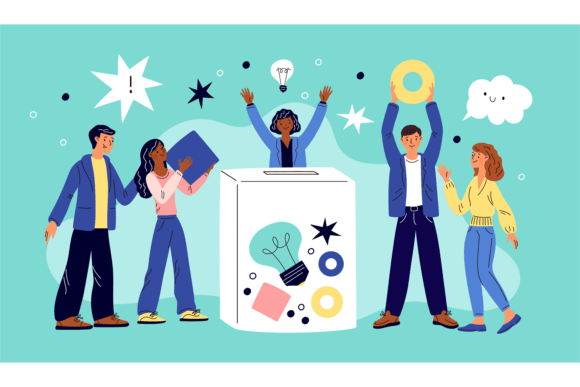
One example of a successful application is the “Idea Box Challenge,” where teams must come up with the most creative or absurd solutions to everyday office problems. This not only generates laughter but also encourages lateral thinking. After the game, many teams report improved communication and a more relaxed atmosphere, which can lead to better collaboration on real-world projects.
Designing the Experience: Garish Vector Concept
To make the Team Building Funny Game visually engaging, many organizers opt for a garish vector concept in EPS or JPG formats. These vibrant, exaggerated illustrations add to the playful nature of the game and can be used in promotional materials, rule cards, or digital displays. The use of bold colors and whimsical characters helps set the tone for a fun and inclusive experience, making it more appealing to a wide range of participants.
Who Benefits from the Team Building Funny Game?
This type of activity is particularly beneficial for:
- New teams looking to build trust and rapport
- Stressed or overworked departments needing a morale boost
- Cross-functional groups aiming to improve interdepartmental communication
- Remote or hybrid teams seeking ways to connect virtually
For example, a marketing team preparing for a product launch might use the game to spark creative campaign ideas, while an IT department could use it to encourage collaboration between developers and support staff.
Getting Started with the Team Building Funny Game
Organizing a successful session doesn't have to be complicated. Here are some steps to consider:
- Define your goals: Are you aiming to reduce stress, improve communication, or spark innovation?
- Choose appropriate games: Select activities that align with your team's size, preferences, and comfort level with humor.
- Prepare materials: Use garish vector graphics in JPG or EPS format to create visually engaging prompts, scorecards, or props.
- Facilitate inclusively: Ensure that all employees feel comfortable participating, regardless of personality or background.
- Debrief and reflect: After the game, encourage participants to share what they enjoyed and how the experience might influence their teamwork moving forward.
Customizing the Experience for Different Teams
One of the great strengths of the Team Building Funny Game is its flexibility. HR departments can tailor the game to suit different team dynamics. For instance:
- Leadership teams might focus on strategic thinking games
- Creative departments could engage in improv or idea-generation challenges
- Customer service teams may benefit from role-playing exercises that simulate real-life scenarios in a humorous way
By adapting the game to the specific needs and culture of your organization, you can maximize its impact and ensure it resonates with participants.
Conclusion: Fun as a Foundation for Stronger Teams
Incorporating the Team Building Funny Game into your workplace is more than just a way to pass the time—it's a strategic investment in your team's cohesion and morale. When employees laugh together, they build trust, communicate more openly, and approach challenges with greater creativity. Whether you're planning a casual office event or a structured business training session, this game offers a versatile and effective way to bring people together. With the right approach, a little humor can go a long way in transforming your office environment into a more collaborative and enjoyable place to work.