Unlocking Creativity with Game Interface Elements: A Versatile Asset for Modern Projects
In today’s fast-paced digital landscape, visual design plays a pivotal role in user engagement and experience. One of the most compelling tools in this domain is the Game Interface Element — a dynamic and adaptable design asset that bridges the gap between functionality and aesthetics. Whether you're a seasoned developer, a freelance designer, or a marketer looking to elevate your brand’s digital presence, understanding how to effectively utilize Game Interface Elements can open new doors of opportunity.
What Exactly Is a Game Interface Element?
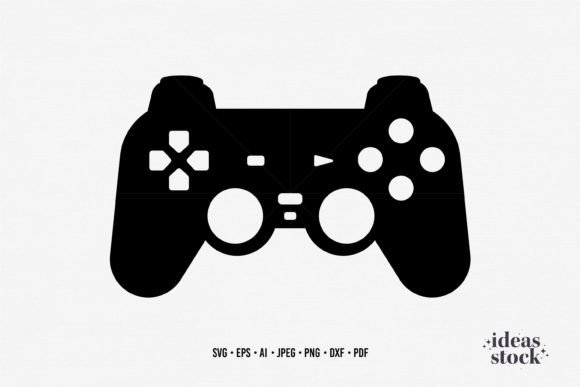
A Game Interface Element refers to any visual or interactive component used within a game’s user interface (UI). These include buttons, menus, health bars, score displays, icons, and other navigational tools that allow players to interact with the game environment. These elements are not only crucial for gameplay but also serve as a key part of the overall design language of a digital experience.
What makes Game Interface Elements particularly valuable is their scalability and adaptability. With the right files — such as EPS, JPEG, and PNG — these elements can be seamlessly integrated into a wide range of projects, from mobile applications and websites to marketing materials and branding assets.
Why Game Interface Elements Are Gaining Traction Across Industries
While originally designed for gaming environments, Game Interface Elements have found a broader audience in recent years. Their clean, intuitive design and high usability make them ideal for applications far beyond the realm of gaming. Here’s why professionals across industries are taking notice:
- Visual Consistency: UI elements are often designed with a cohesive visual language, making them easy to integrate into existing design systems.
- Time Efficiency: Pre-designed interface elements save development time and reduce the need for custom coding.
- Cross-Platform Compatibility: With support for multiple file formats, these assets can be deployed across platforms, including web, mobile, and desktop applications.
- Brand Enhancement: When used strategically, Game Interface Elements can elevate a brand’s visual identity by adding a layer of interactivity and modernity.
Game Interface Elements in the Broader Design and Technology Landscape
The rise of Game Interface Elements aligns with several key trends shaping the digital world today:
- UI/UX as a Competitive Advantage: As user expectations grow, companies are investing more in intuitive and visually appealing interfaces. Game Interface Elements offer a ready-made solution for delivering a polished user experience.
- Low-Code and No-Code Development: The growing popularity of platforms like Figma, Adobe XD, and Webflow has made it easier for non-developers to create interactive experiences. Pre-built UI elements, including Game Interface Elements, are essential for accelerating this process.
- Immersive Branding: Brands are increasingly adopting game-like interfaces to engage users in novel ways — from interactive landing pages to gamified customer journeys.
- Remote Collaboration Tools: With more teams working remotely, there’s a growing demand for intuitive dashboards and control panels — areas where Game Interface Elements shine.
Practical Applications: How to Use Game Interface Elements Beyond Gaming
One of the most exciting aspects of Game Interface Elements is their versatility. Here are some real-world examples of how they can be applied across different domains:
1. Marketing Campaigns and Interactive Ads
Marketers are increasingly turning to interactive content to capture attention. Game Interface Elements can be used to create engaging banners, microsites, or social media filters that guide users through a branded experience. For instance, a fitness brand might use a health bar UI element to visualize a user’s progress toward a wellness goal.
2. Dashboard Design for SaaS Platforms
Software-as-a-Service (SaaS) companies often need to present complex data in a digestible format. Game Interface Elements such as progress indicators, toggle switches, and notification badges can simplify navigation and enhance user comprehension.
3. Mobile App Development
With mobile apps requiring compact and intuitive interfaces, Game Interface Elements provide a ready-to-use toolkit for developers. Whether it’s a menu system or a scoring interface, these elements can be quickly adapted for mobile screens without compromising quality.
4. E-learning and Training Modules
E-learning platforms are increasingly incorporating gamification techniques to improve engagement. Game Interface Elements like XP bars, achievement icons, and level-up animations can make educational content more interactive and rewarding for users.
Why Now Is the Right Time to Incorporate Game Interface Elements
The digital design landscape is evolving rapidly, and users now expect more from the interfaces they interact with. Several factors are contributing to the rising relevance of Game Interface Elements:
- Higher Expectations for Visual Quality: Users are more design-savvy than ever, and outdated or cluttered interfaces can lead to disengagement. Game Interface Elements help maintain a modern, polished look.
- Need for Faster Prototyping: In competitive markets, speed is crucial. Leveraging pre-designed UI elements allows teams to iterate quickly and focus on user testing and refinement.
- Integration with Emerging Technologies: As augmented reality (AR), virtual reality (VR), and mixed reality (MR) become more mainstream, intuitive UIs are essential — and Game Interface Elements are well-suited for these environments.
- Cost-Effective Design Solutions: For startups and small businesses, purchasing a comprehensive set of Game Interface Elements can be a cost-effective alternative to hiring a full-time designer.
Choosing the Right Files: EPS, JPEG, and PNG Explained
When working with Game Interface Elements, the file format you choose can significantly impact both design flexibility and performance. Here’s a quick breakdown of the most common formats included in UI asset packs:
- EPS (Encapsulated PostScript): Ideal for vector-based graphics, EPS files are scalable without loss of quality, making them perfect for logos, icons, and illustrations that may need resizing.
- JPEG (Joint Photographic Experts Group): Best suited for complex images and photographs, JPEGs offer high compression rates but may lose quality when scaled up.
- PNG (Portable Network Graphics): PNG files support transparency and lossless compression, making them ideal for icons, buttons, and layered interface components.
Understanding these formats allows you to select the right one for your specific use case, ensuring optimal performance and visual fidelity across devices and platforms.
Conclusion: Game Interface Elements as a Strategic Design Tool
The Game Interface Element is more than just a design asset — it’s a powerful tool that reflects the convergence of design, technology, and user experience. Its ability to enhance usability, streamline development, and adapt to diverse use cases makes it an essential component for modern creators and entrepreneurs.
As industries continue to evolve and user expectations rise, the ability to deliver intuitive, visually engaging experiences will remain a key differentiator. By incorporating Game Interface Elements into your design toolkit, you’re not only saving time and resources but also positioning yourself at the forefront of a design revolution that values efficiency, creativity, and user-centricity.
Whether you’re building a mobile app, designing a marketing campaign, or developing an interactive dashboard, the Game Interface Element is a versatile ally in your creative journey. With the right files — EPS, JPEG, and PNG — at your disposal, the possibilities are truly limitless.