Retro Arcade Game Light Gun: A Nostalgic Dive into Classic Gaming
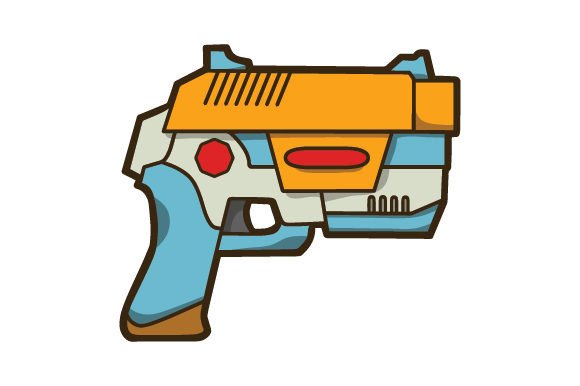
The Retro Arcade Game Light Gun is more than just a throwback to the golden age of arcades—it's a tangible piece of gaming history that continues to captivate enthusiasts and collectors alike. Originally popularized in the late 1980s and 1990s, light guns were used in classic arcade cabinets to play shooting games like “Duck Hunt,” “Area 51,” and “House of the Dead.” Today, the Retro Arcade Game Light Gun has found a renewed audience among retro gaming hobbyists, home arcade builders, and educators looking to engage younger generations with vintage gameplay mechanics.
Understanding the Retro Arcade Game Light Gun
The Retro Arcade Game Light Gun works by detecting light from a CRT screen to determine where the player is aiming. When the trigger is pulled, the screen briefly flashes the targets, and the gun’s sensor identifies which target was hit based on the timing and location of the flash. While modern LCD and LED screens have made this technology less straightforward, adapters and software solutions now allow the Retro Arcade Game Light Gun to work with contemporary displays.
Many modern recreations and DIY kits of the Retro Arcade Game Light Gun are now available, often including support for Raspberry Pi and other mini PCs used in home arcade builds. These guns are not only functional but also visually faithful to their original designs, making them a popular choice for those looking to recreate the full arcade experience at home.
Challenges and Goals in Using a Retro Arcade Game Light Gun
One of the primary challenges users face with the Retro Arcade Game Light Gun is compatibility. Older models were designed for CRT monitors, and without the proper setup, they may not function correctly—or at all—on modern screens. Additionally, calibration can be tricky, especially when using emulators or software that wasn’t originally built with light gun support.
Another common issue is sourcing a working light gun. Original hardware can be rare and expensive, and many older units suffer from degraded components or broken sensors. This has led to a growing market for reproduction and modified versions of the Retro Arcade Game Light Gun, which are built to work with modern systems while preserving the original look and feel.
For DIY enthusiasts, integrating the Retro Arcade Game Light Gun into a custom arcade cabinet or control panel can also present technical and ergonomic challenges. Proper mounting, wiring, and responsiveness are all key considerations when incorporating a light gun into a multi-game setup.
How the Retro Arcade Game Light Gun Solves These Challenges
Modern versions of the Retro Arcade Game Light Gun often come with built-in support for HDMI and USB interfaces, making them compatible with modern TVs and computers. Some models include calibration software that simplifies setup and ensures accurate targeting. These features make it easier for users to enjoy classic light gun games without the need for vintage hardware.
For those building a home arcade, the Retro Arcade Game Light Gun can be integrated into a control panel using mounting brackets and USB-to-joystick adapters. This allows the gun to coexist with other arcade controls, such as joysticks and trackballs, creating a versatile gaming station. Many DIY guides and community forums offer step-by-step instructions for installing and configuring a light gun, making the process accessible even to beginners.
Educators and museum curators have also found value in the Retro Arcade Game Light Gun as a tool for teaching game design, electronics, and the history of interactive entertainment. By pairing the gun with educational software or retro game emulators, it becomes a hands-on way to explore how early games were played and how technology has evolved over time.
Practical Applications and Real-World Examples
One of the most popular uses of the Retro Arcade Game Light Gun is in home arcade cabinets. Enthusiasts often pair the gun with a Raspberry Pi or a PC running RetroArch or MAME to recreate a full arcade experience. These setups allow players to switch between dozens of classic games, including light gun titles like “Time Crisis,” “Lethal Enforcers,” and “GoldenEye 007” (on N64-based setups).
Some users have even built portable versions of the Retro Arcade Game Light Gun using handheld consoles or small LCD screens. While the screen size and resolution can affect accuracy, these builds offer a nostalgic twist on portable gaming and are a hit at gaming events and conventions.
For collectors, owning a Retro Arcade Game Light Gun is a way to preserve gaming history. Some collectors seek out original, unmodified units, while others prefer to restore and upgrade them for modern use. The availability of 3D-printed replacement parts and open-source firmware has made it easier than ever to maintain and enhance these vintage peripherals.
Recommendations and Considerations
If you're considering adding a Retro Arcade Game Light Gun to your setup, here are a few practical recommendations:
- Check compatibility – Make sure the gun you choose works with your display and system. Look for models with HDMI or USB support if you’re using a modern screen.
- Invest in calibration tools – Proper calibration is essential for accuracy. Some software packages offer built-in calibration modes specifically for light guns.
- Consider mounting options – If you’re building a cabinet, plan for how the gun will be stored and accessed. Some users install hooks or holsters for easy access.
- Test with multiple games – Not all games respond the same way to a light gun, especially in emulation. Test a variety of titles to ensure the gun works across different genres and styles.
It’s also worth noting that different users may approach the Retro Arcade Game Light Gun in different ways. Casual gamers might use it for occasional fun with classic titles, while serious hobbyists may integrate it into a complex arcade build with custom firmware and hardware. Educators and historians may use it to demonstrate how early input devices shaped the gaming industry.
Conclusion: The Timeless Appeal of the Retro Arcade Game Light Gun
The Retro Arcade Game Light Gun remains a beloved piece of gaming culture, offering a unique and interactive way to experience classic titles. Whether you're a collector, a DIY builder, or simply someone looking to relive childhood memories, the Retro Arcade Game Light Gun brings a sense of immersion and nostalgia that few other peripherals can match.
With modern adaptations making it easier than ever to use on contemporary systems, the Retro Arcade Game Light Gun is more accessible today than it was in its original heyday. By understanding its functionality, addressing common challenges, and exploring practical applications, users can fully enjoy what this iconic gaming tool has to offer—both as a piece of history and as a viable part of modern gaming setups.