Games Are Life – The Intersection of Gaming Culture and Creative Design
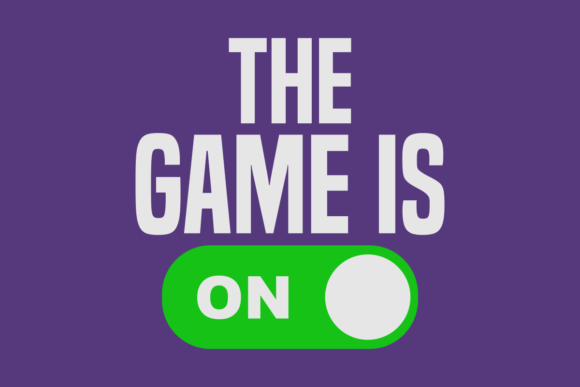
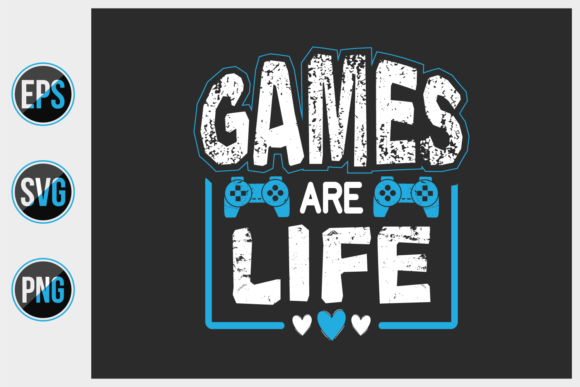
In today’s rapidly evolving digital landscape, the phrase Games Are Life - Game Saying Design has taken on new meaning. It’s not just a slogan for gaming enthusiasts; it’s a design philosophy, a lifestyle statement, and a growing trend in the creative and entrepreneurial world. Whether appearing on a Games are life - Gaming t-shirts design, a typographic poster, or a digital illustration, this phrase encapsulates a broader cultural shift: the merging of gaming culture with everyday life, identity, and personal expression.
The Rise of Gaming-Inspired Design
The Games Are Life - Game Saying Design concept is part of a larger movement where gaming aesthetics are influencing mainstream design. From vector graphic illustrations to minimalist typographic poster styles, designers are leveraging the visual language of video games to create compelling, emotionally resonant content. This trend isn’t limited to the gaming community—it has found its way into fashion, branding, and even corporate culture.
For instance, many startups and tech companies now incorporate pixel art, retro fonts, and gaming references into their branding materials. This reflects a generational shift in which gaming is no longer seen as a niche hobby but as a core component of modern digital culture.
Why Gaming T-Shirts and Typographic Posters Are Trending
One of the most visible manifestations of this trend is the rise of Games are life - Gaming t-shirts design. These aren’t just casual apparel items—they’re wearable statements of identity. As remote work and digital lifestyles become the norm, people are increasingly expressing themselves through clothing that reflects their passions and digital fluency.
Similarly, typographic poster designs featuring phrases like “Games Are Life” are becoming popular in home offices, creative studios, and even co-working spaces. These designs serve both aesthetic and motivational purposes, blending visual appeal with a sense of purpose and belonging.
Design Trends and Consumer Behavior
Consumer preferences are shifting toward personalized, meaningful products. This is where Games Are Life - Game Saying Design shines. It speaks directly to a generation that grew up playing video games and now seeks to integrate those experiences into their daily lives. Whether it’s through fashion, home decor, or digital branding, this design ethos resonates with individuals who value storytelling, nostalgia, and innovation.
Moreover, the use of vector graphic formats in these designs allows for scalability and adaptability across platforms. This makes them ideal for both print and digital applications, from e-commerce storefronts to social media content. As a result, creators and entrepreneurs are leveraging these assets to build brand identities that feel both modern and deeply personal.
Business and Creative Opportunities
For professionals and entrepreneurs, the Games Are Life - Game Saying Design movement presents a unique opportunity. It aligns with current trends in indie design, print-on-demand businesses, and digital content creation. Platforms like Etsy, Redbubble, and Shopify have made it easier than ever for creators to monetize these designs without needing a traditional manufacturing setup.
Additionally, the trend reflects a broader shift in creative workflows. Designers are increasingly using AI-assisted tools, cloud-based collaboration platforms, and generative design techniques to produce high-quality, scalable content quickly. This enables them to respond to market trends in real time and offer products that resonate with a rapidly changing audience.
Technology and Design Convergence
Technological advancements are also playing a role in the popularity of Games Are Life - Game Saying Design. With the rise of NFTs, metaverse platforms, and augmented reality experiences, digital design is becoming more immersive and interactive. The same principles that guide a typographic poster can now be applied to a 3D virtual environment or a digital collectible.
This convergence opens up new creative and business opportunities. Designers can create cross-platform assets that work equally well on a t-shirt, a website, or a virtual avatar. It’s a powerful example of how gaming culture is influencing not just aesthetics but also how we interact with technology and digital spaces.
Practical Applications for Creators and Marketers
For marketers and content creators, integrating Games Are Life - Game Saying Design into campaigns can help build stronger emotional connections with audiences. Gamification strategies, nostalgic design elements, and community-driven content are all effective ways to engage modern consumers.
- Use in Merchandising: Gaming-themed t-shirts and posters can be used as part of a broader merchandising strategy for influencers, game developers, and digital creators.
- Brand Identity: Incorporating gaming motifs into logos, packaging, or website design can help brands connect with younger, tech-savvy audiences.
- Content Creation: Visual assets like vector graphic illustrations can be repurposed across social media, blog posts, and video thumbnails to maintain a cohesive look and feel.
The Lifestyle Shift Behind the Design
At its core, the popularity of Games Are Life - Game Saying Design reflects a lifestyle shift. Gaming is no longer just entertainment—it’s a form of self-expression, a social platform, and even a career path. As more people embrace this lifestyle, they seek out design elements that reflect their values and experiences.
This is particularly evident among remote workers, digital nomads, and freelance professionals who value flexibility, creativity, and personal branding. For them, a Games are life - Gaming t-shirts design isn’t just clothing—it’s a symbol of their digital-first identity.
Conclusion: The Future of Gaming-Inspired Design
As the lines between gaming, design, and everyday life continue to blur, the Games Are Life - Game Saying Design trend is likely to grow even further. Its success lies in its ability to capture a cultural moment and translate it into meaningful, shareable visual content.
Whether you're a designer looking to tap into a growing market, a marketer aiming to connect with a new audience, or simply a fan of gaming culture, this design movement offers valuable insights into how creativity and technology are shaping our world. From typographic poster prints to vector graphic illustrations, the future of design is increasingly influenced by the games we play and the lives we live through them.