Game Controller Icon: A Versatile Asset for Design and Development Workflows
The Game Controller Icon and Videogame Joystick are more than just visual elements—they serve as essential components in design systems, branding, and user interface workflows. Whether you're a developer, designer, or content creator, understanding how to effectively integrate these icons into your projects can streamline processes, enhance user experience, and maintain visual consistency across platforms.
Understanding the Role of Game Controller Icons
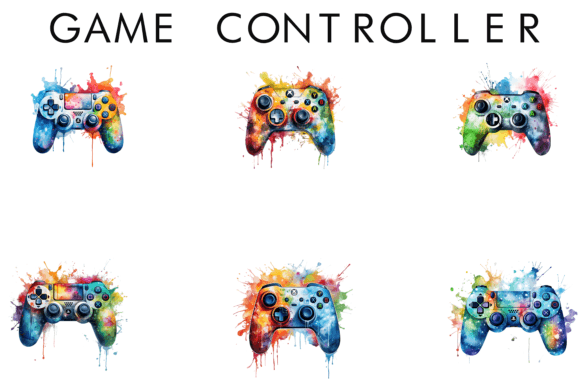
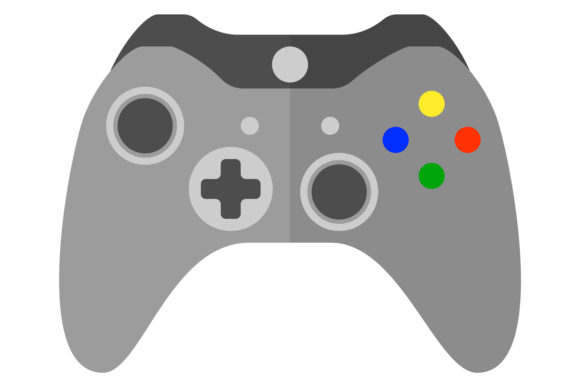
At its core, the Game Controller Icon represents interactivity, control, and engagement. It's commonly used in gaming applications, digital interfaces, and promotional materials to signify gameplay, settings, or navigation. The Videogame Joystick variant often serves a similar purpose but may be preferred for retro or arcade-themed designs. These icons are typically available in multiple formats—EPS, JPG, SVG, and transparent PNG—ensuring compatibility across both print and digital environments.
Integration into Design and Development Projects
Designers and developers frequently use these icons during the early stages of a project to establish a visual language. When planning a user interface, for example, a Game Controller Icon might be placed in a navigation bar to indicate a control panel or game settings menu. SVG and transparent PNG formats are especially valuable here, as they scale cleanly across devices and blend seamlessly with layered compositions.
Preparation and Asset Organization
Before incorporating a Videogame Joystick or Game Controller Icon into your workflow, it's important to organize your assets effectively. Maintain a consistent naming convention and folder structure for icon files. Consider creating a style guide that includes preferred icon formats, color variations, and usage examples. This ensures that all team members—from developers to content creators—use the icons correctly and consistently.
Workflow Examples: From Concept to Deployment
In a typical UI/UX design workflow, the Game Controller Icon might first appear in wireframes or mockups. Once the design is approved, the icon is integrated into the codebase using SVG or PNG files. For mobile applications, using vector formats like SVG helps maintain clarity across screen sizes. In marketing materials, the Videogame Joystick may be used in promotional banners or social media assets, where JPG or transparent PNG versions offer flexibility in layout design.
Compatibility Across Platforms
One of the key advantages of modern icon formats is their cross-platform compatibility. SVG files work well in web development due to their scalability and responsiveness. Transparent PNGs are ideal for overlaying on backgrounds in design software like Photoshop or Figma. EPS files are commonly used for print, ensuring high resolution in physical materials. Understanding how each format functions helps you choose the right one for your specific use case.
Practical Implementation Tips
- Use consistent sizing: Maintain uniformity in icon dimensions across your interface to avoid visual clutter.
- Optimize for performance: Compress PNG and JPG files to reduce load times without sacrificing quality.
- Consider accessibility: Ensure icons are paired with text or ARIA labels for screen readers when used in UI contexts.
- Test across devices: Verify that the Videogame Joystick or Game Controller Icon displays correctly on mobile, tablet, and desktop screens.
Collaboration and Team Integration
When working with a team, especially across disciplines like design, development, and marketing, it's crucial to align on icon usage. Share icon libraries in design tools like Sketch or Figma, and provide developers with access to the latest asset versions. Establishing a shared understanding of when and how to use the Game Controller Icon or Videogame Joystick reduces inconsistencies and speeds up production timelines.
Long-Term Use and Scalability
As projects evolve, so too should your icon strategy. Regularly audit your design assets to ensure that icons like the Videogame Joystick remain relevant and visually aligned with your brand. If you're building a design system or component library, consider including multiple variations of the Game Controller Icon to accommodate different contexts—such as dark mode, hover states, or disabled appearances.
Enhancing Branding and User Experience
Icons are more than decorative—they communicate function and reinforce brand identity. A well-chosen Game Controller Icon can make an interface more intuitive, especially for users familiar with gaming interfaces. In branding, the Videogame Joystick can serve as a memorable visual motif in logos, merchandise, or campaign materials, helping to establish a cohesive aesthetic across digital and physical touchpoints.
Quality Control and Consistency
Consistency is key to a professional appearance. Ensure that all instances of the Game Controller Icon or Videogame Joystick adhere to your design standards. Use tools like Zeplin or Abstract to version-control design assets and track changes. Additionally, implement automated checks in development environments to flag inconsistencies in icon usage or outdated file versions.
Use Cases Beyond Gaming
While the Game Controller Icon and Videogame Joystick are rooted in gaming culture, their applications extend beyond entertainment. These icons can be used in educational platforms to represent interactive learning modules, in productivity tools to indicate control panels or settings, or even in fitness apps to symbolize interactive workout modes. The key is to match the icon's meaning with the function it represents in your specific context.
Conclusion
Incorporating the Game Controller Icon and Videogame Joystick into your workflow isn't just about aesthetics—it's about enhancing usability, streamlining development, and reinforcing brand identity. By understanding their role in design systems, organizing assets effectively, and ensuring compatibility across platforms, you can leverage these icons to improve both user experience and team efficiency. Whether you're building a game, designing a marketing campaign, or developing a digital product, thoughtful icon implementation contributes to a polished, professional outcome.