Educational Game Kid Girl Vector: Enhancing Early Childhood Learning Through Visual Design
The Role of Visual Elements in Early Learning Tools
In the evolving landscape of early childhood education, visual design plays a pivotal role in engaging young learners. The educational game kid girl vector is a prime example of how thoughtful illustration can support educational goals. These vector graphics are not only scalable and adaptable across various formats like JPG and EPS, but they also convey warmth, playfulness, and approachability—qualities essential for connecting with preschoolers and kindergarteners.
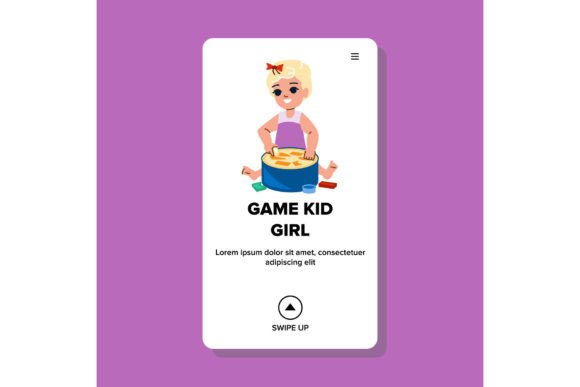
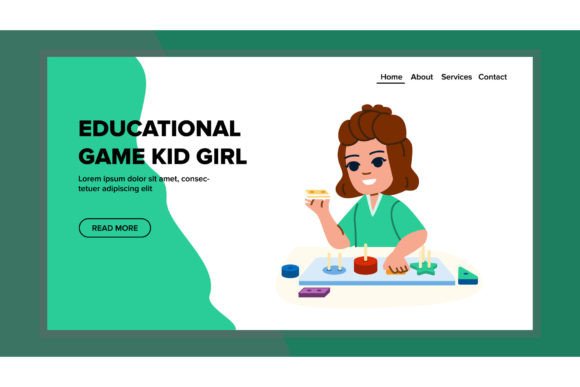
Designers and educators increasingly recognize the importance of using age-appropriate visuals to support cognitive development. A well-crafted educational game kid girl web flat cartoon illustration can simplify complex ideas, encourage interaction, and create a visually stimulating environment that supports learning through play.
Applications of Educational Game Kid Girl Vectors
- Interactive Learning Apps: Many digital learning platforms for children incorporate educational game kid girl vector illustrations to guide users through activities, making the experience more relatable and immersive.
- Printed Educational Materials: From flashcards to activity books, these illustrations help maintain children's attention and reinforce learning concepts in a visually appealing way.
- Classroom Decor and Aids: Teachers often use vector graphics to create posters, charts, and visual schedules that support daily routines and learning objectives.
- Preschool Toy Packaging and Branding: Toy manufacturers use these illustrations to communicate the educational value of their products and appeal to both children and parents.
Why Choose Vector Graphics for Educational Content?
Vector graphics offer distinct advantages over raster images, especially in educational contexts. Unlike pixel-based images, vectors can be scaled infinitely without losing quality, making them ideal for a variety of applications—from mobile apps to large-format posters. This flexibility is particularly beneficial when working with educational game kid girl web flat cartoon illustration, which may need to be adapted across different devices and print materials.
Additionally, vector files are easier to edit and customize, allowing designers to tweak colors, expressions, and layouts to suit specific learning themes or cultural contexts. This adaptability ensures that educational materials remain inclusive and relevant to diverse audiences.
Design Considerations for Educational Illustrations
Creating effective educational game kid girl vector illustrations involves more than just artistic skill. Designers must consider developmental psychology, pedagogical principles, and usability. Here are some key considerations:
- Age Appropriateness: Characters should be designed to match the developmental stage of the target audience. Preschoolers respond well to exaggerated facial expressions and bold colors, while older children may appreciate more nuanced details.
- Emotional Connection: A fun child or play cute design can foster emotional engagement, making the learning experience more memorable and enjoyable.
- Consistency: Maintaining a consistent visual style across all illustrations helps build familiarity and reduces cognitive load, especially for young learners.
- Accessibility: Design choices should support inclusivity—considering color contrast, character diversity, and clarity of visual cues to accommodate children with different learning needs.
How Educational Vectors Enhance Digital Learning Experiences
With the rise of digital learning platforms, the demand for high-quality educational illustrations has surged. The educational game kid girl vector is particularly effective in digital environments due to its scalability and compatibility with animation. These illustrations can be integrated into interactive stories, educational games, and virtual classrooms, providing a consistent visual narrative that guides children through their learning journey.
For instance, an animated boy school educational game kid girl web flat cartoon illustration might guide a child through a math problem, offering visual feedback and encouragement. This kind of dynamic interaction enhances comprehension and retention, making abstract concepts more concrete and accessible.
Use Cases Across Different Educational Contexts
Whether in a traditional classroom, homeschool setting, or online learning platform, educational game kid girl vector illustrations have broad applicability:
- Language Learning: Illustrations can support vocabulary building by associating words with visual representations, especially in multilingual or ESL environments.
- Math Concepts: Visual storytelling through characters can make numbers, shapes, and patterns more engaging for young learners.
- Emotional and Social Development: Characters can model behaviors like sharing, cooperation, and empathy, helping children understand and navigate social situations.
- STEM Introduction: Even complex ideas like cause and effect or basic coding can be introduced through playful, illustrated scenarios featuring a preschool toy-like character.
Choosing the Right Style for Educational Illustrations
Not all illustrations are created equal. When selecting or commissioning an educational game kid girl vector, it's important to align the style with the educational goals and audience. For example:
- Flat Design: Offers a clean, modern look that’s easy to render across digital platforms. Ideal for web flat cartoon illustration styles that prioritize simplicity and clarity.
- Watercolor or Hand-Drawn: Adds a tactile, artistic feel that can be especially appealing in print materials or creative learning apps.
- Minimalist: Reduces visual clutter, making it suitable for children with sensory sensitivities or those who need a focused learning environment.
Ultimately, the style should enhance the educational content without overwhelming the learner. The best educational game kid girl vector illustrations are those that support the learning objective while remaining visually engaging and emotionally resonant.
Integrating Vectors into Educational Workflows
For educators, developers, and content creators, integrating vector illustrations into educational workflows requires a strategic approach. Start by identifying the core learning objectives and how visuals can support them. Then, source or create educational game kid girl vector assets that align with those goals. Tools like Adobe Illustrator or open-source alternatives such as Inkscape allow for precise editing and customization.
When working with teams, it's helpful to establish a visual style guide that outlines character traits, color palettes, and usage guidelines. This ensures consistency across all materials and streamlines the design process, especially when multiple contributors are involved.
Emerging Trends in Educational Illustration
The field of educational illustration is constantly evolving, driven by advances in technology and a deeper understanding of child development. One emerging trend is the use of educational game kid girl vector characters in augmented reality (AR) and mixed reality (MR) learning environments. These technologies allow children to interact with illustrations in three-dimensional space, making the learning experience more immersive and engaging.
Another trend is the growing emphasis on diversity and inclusion in educational media. Designers are increasingly creating characters that reflect a wide range of ethnicities, abilities, and gender expressions. This not only makes learning materials more representative but also helps children see themselves in the content they engage with, fostering a stronger emotional connection.
Conclusion
The educational game kid girl vector is more than just a visual element—it's a powerful tool for enhancing learning experiences. Whether used in digital apps, printed materials, or classroom environments, these illustrations help bridge the gap between abstract concepts and tangible understanding. By combining pedagogical insights with thoughtful design, educators and creators can craft engaging, inclusive, and effective learning tools that resonate with young minds.