Ain't No Shame in My Bead Game: Exploring Digital Design Files for Crafting Enthusiasts
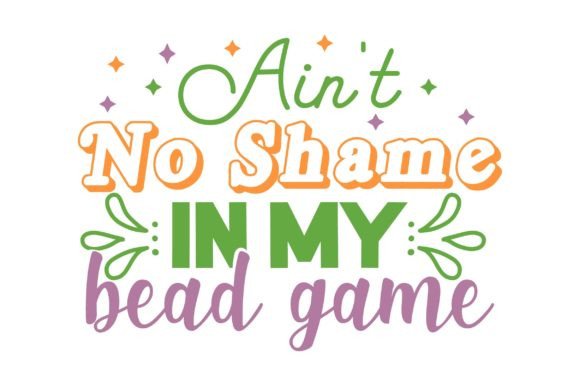
For crafters, designers, and DIY enthusiasts, the phrase Ain't No Shame in My Bead Game isn't just a catchy statement—it's a declaration of creative confidence. Whether you're a seasoned artisan or just beginning to explore the world of digital crafting, the right design files can elevate your projects from simple crafts to personalized masterpieces. In this article, we’ll dive into the practical use of SVG, PNG 300 dpi, EPS, and DXF files, how they integrate with popular cutting machines like Cricut and Silhouette, and the diverse applications they support—from t-shirts and mugs to stickers and wall art.
Understanding File Formats in Digital Crafting
Before jumping into creative applications, it's essential to understand what each file format offers and how it functions within a crafting workflow. Each format serves a unique purpose, and choosing the right one can significantly impact the quality and versatility of your final product.
SVG – Scalable Vector Graphics
SVG files are vector-based, meaning they're composed of mathematical paths rather than pixels. This allows them to scale infinitely without losing quality, making them ideal for intricate bead designs, logos, and illustrations. Because SVGs are editable with software like Adobe Illustrator or free tools like Inkscape, they're a favorite among designers who need flexibility in size and customization.
PNG 300 dpi – High-Resolution Raster Graphics
Portable Network Graphics (PNG) files at 300 dpi resolution are high-quality raster images. While they don’t scale as seamlessly as SVGs, they maintain sharp detail at their native size. These are particularly useful for print projects where precise color representation and clarity are essential, such as stickers, cards, and digital scrapbooks.
EPS – Encapsulated PostScript
EPS files are another vector format commonly used in professional printing. They’re compatible with a wide range of design software and are especially useful when transferring artwork between different platforms. EPS files are often preferred for complex bead patterns or large-format prints due to their precision and scalability.
DXF – Drawing Exchange Format
DXF files are primarily used in CAD (Computer-Aided Design) software but are also widely accepted by cutting machines. These files work well for laser cutting and engraving, especially when working with materials like wood, acrylic, or fabric. DXF files offer clean lines and accurate measurements, making them ideal for technical bead layouts and geometric designs.
Integrating Design Files with Cutting Machines
One of the most powerful aspects of using SVG, PNG, EPS, and DXF files is their compatibility with popular cutting machines such as Cricut and Silhouette. These machines allow users to bring digital designs into the physical world with precision and ease.
Working with Cricut and Silhouette
Both Cricut and Silhouette machines support SVG and DXF file imports, enabling users to create custom cuts for a variety of materials. Whether you're designing bead layouts for a necklace or creating a stencil for a canvas print, these machines can execute intricate cuts that would be difficult to achieve by hand.
- Cricut Design Space accepts SVG files directly, allowing for easy upload and scaling.
- Silhouette Studio supports both SVG and DXF, making it a versatile option for crafters who work with multiple file types.
When using PNG files, especially at 300 dpi, users can perform "print then cut" operations. This feature allows the machine to recognize the image’s outline and cut around it precisely—perfect for creating stickers, labels, and embellishments.
Creative Applications Across Industries
The versatility of these file formats means they can be used across a wide range of creative and professional applications. From personal hobbies to small business ventures, the potential is vast.
Home Decor and Personalized Gifts
With SVG and DXF files, users can create custom wall art, pillows, and even bead-framed prints. These designs can be cut from vinyl, fabric, or wood, allowing for a cohesive and personalized home decor theme. For example, a bead-themed SVG could be used to create a custom canvas or a framed embroidery hoop that becomes a statement piece in any room.
Apparel and Accessories
Designing custom t-shirts, tote bags, or even bead-inspired patches is simple with digital files. Using heat transfer vinyl (HTV) and a cutting machine, users can apply intricate bead-themed designs to fabric with minimal effort. The same files can be used to create matching accessories like bead-patterned phone cases or custom stickers for laptops and water bottles.
Paper Crafts and Stationery
Scrapbooking and card making benefit greatly from high-resolution PNG files and vector-based SVGs. These formats allow for detailed embellishments, borders, and illustrations that can be printed and cut with precision. A bead-themed card or invitation can be both elegant and playful, depending on the chosen design and color scheme.
Educational and Therapeutic Uses
Art educators and occupational therapists have found value in using digital design files to help students and clients develop fine motor skills and creativity. SVG-based bead patterns can be printed and used as templates for lacing activities, or digitally manipulated to teach design principles in a classroom setting.
Practical Considerations for Users
While the availability of digital design files has made crafting more accessible, there are a few practical considerations to keep in mind before diving into a project.
Software Compatibility
Not all design software supports every file type. For example, while SVG and DXF files are widely supported, EPS files may require more advanced tools like Adobe Illustrator. It’s important to verify that your software and cutting machine can handle the file format you’re working with.
Material Selection
The material you're using will influence which file format is most appropriate. For example, DXF files are ideal for laser cutting wood or acrylic, while PNG files are better suited for printed materials. Always consider the physical properties of your medium when selecting a design file.
File Quality and Resolution
While SVG files are scalable without quality loss, PNG files must be used at their native resolution to maintain clarity. Always ensure that PNG files are at least 300 dpi for print projects to avoid pixelation or blurriness.
Copyright and Usage Rights
When downloading or purchasing digital design files, it’s crucial to understand the licensing terms. Some files are for personal use only, while others may allow for commercial application. Always verify that you have the right to use the file in your intended project to avoid legal issues.
Conclusion-Free Exploration of Design Potential
The phrase Ain't No Shame in My Bead Game encapsulates the spirit of fearless creativity in the crafting world. Whether you're designing for personal enjoyment or commercial purposes, leveraging SVG, PNG 300 dpi, EPS, and DXF files can unlock new levels of precision and artistic expression. With the right tools and understanding, anyone can bring their bead-inspired visions to life across a wide range of media and applications.